
2004
Initial Launch
Travian game officially released, establishing its presence in the browser-based strategy genre.
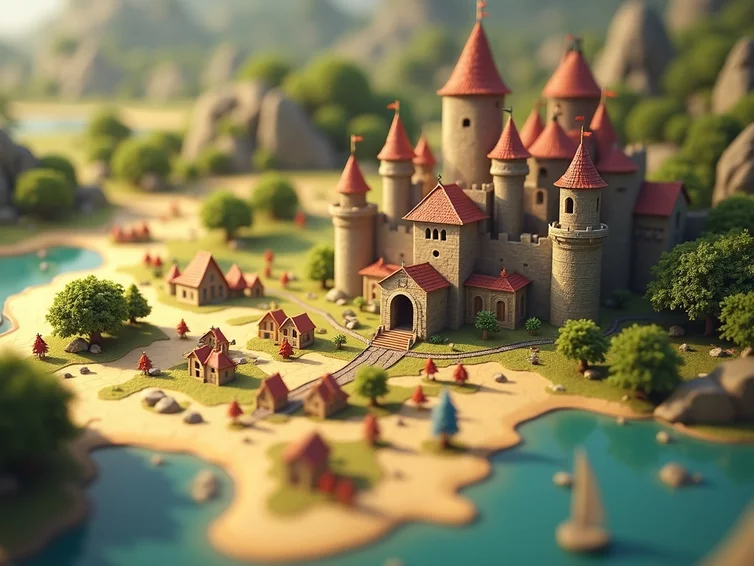
The timeline below illustrates the significant development stages and feature introductions that shaped Travian into a globally recognized real-time strategy game.
Travian is a browser-based multiplayer online game that falls within the real-time strategy genre. Players assume the role of a tribe leader tasked with building and managing a village. The game involves constructing buildings, training armies, and engaging in diplomacy with other players. With its historical setting based on ancient civilizations, Travian provides an immersive experience characterized by strategic planning and resource management.
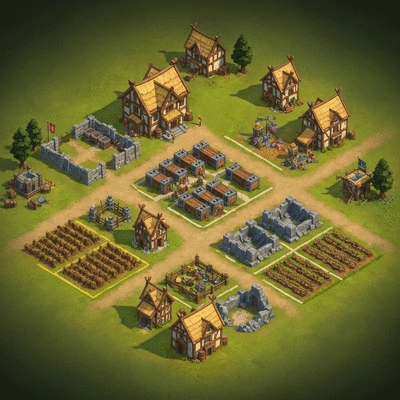
Players navigate a persistent world filled with various challenges, including resource scarcity and conflicts with rival players. The game's emphasis on strategy and alliances encourages players to formulate effective tactics to thrive within the dynamic game environment.
In Travian, players begin with a small village and must develop it into a thriving settlement. The game features three distinct tribes, each with unique attributes and units: the Romans, the Gauls, and the Teutons. Players can customize their gameplay experience by selecting a tribe that aligns with their preferred strategies. For a similar experience, you can explore the mechanics of The Settlers Online.
The game unfolds in real-time, meaning that actions occur continuously, regardless of whether players are logged in. This aspect necessitates long-term planning and engagement with the game world, fostering a sense of competition among players.
Travian was developed by Travian Games and first launched in 2004. The game quickly gained popularity, leading to numerous updates and expanded versions. Initially focused on the European market, Travian has since been localized for various countries, broadening its player base significantly.
Throughout its development, Travian has maintained a commitment to community feedback, integrating player suggestions into updates and new game features. This approach has contributed to the game's longevity and sustained interest among its player community.
As a browser-based game, Travian is part of a larger ecosystem of online multiplayer titles that emphasize real-time strategy and community interaction. This genre typically appeals to players who enjoy tactical decision-making and long-term planning, often engaging with the game over extended periods. The persistent world of Travian allows for continuous gameplay, making it necessary for players to develop strategies that account for both immediate actions and future growth.
Historically, Travian has influenced the development of similar games, contributing to the popularity of real-time strategy mechanics on online platforms. Its localized versions and updates reflect the game's adaptability to different cultural contexts, further enhancing its global reach since its launch in 2004.
Travian is primarily a real-time strategy game that requires players to think critically and plan their actions carefully. Players take on the role of leaders of a village, where they must develop their community, manage resources, and engage in warfare. The game emphasizes the importance of strategy, as players must consider both short-term tactics and long-term goals.
The gameplay involves building defenses, training armies, and forming alliances with other players. Each decision impacts the player's village growth and military strength, creating a dynamic environment where strategic foresight is essential. Players often engage in diplomatic maneuvers to secure peace or form coalitions. For insights into other strategic games, consider exploring Bloons TD 6 gameplay mechanics.
As players progress, they will encounter more complex challenges that require adaptability and strategic planning. The non-linear gameplay allows for multiple approaches to achieving victory, enhancing the overall experience.
Village building is a core component of Travian. Players start with a small settlement and gradually expand it into a thriving community. The construction of buildings is essential for producing resources, training troops, and fortifying defenses. Each building serves a specific function, contributing to the overall development of the village.
Players can construct various structures, including:
Strategic placement and timing of building constructions are vital for maximizing efficiency and productivity. As villages grow, players must balance their focus on economy, military, and defense to ensure survival and dominance in the game.
Effective resource management is crucial in Travian. Players must gather and allocate resources such as wood, clay, iron, and wheat to sustain their village's growth and military efforts. Each resource plays a distinct role in building and maintaining various aspects of the game.
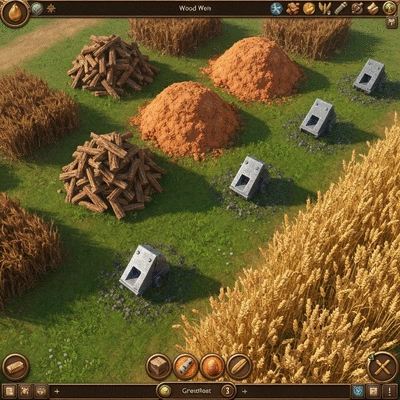
Resource management can include:
Players must monitor their resource levels constantly to avoid shortages that can hinder progress. The dynamic economic system challenges players to make timely decisions about resource allocation and trade.
The combat system in Travian is multifaceted and requires strategic planning. Players can train different types of units, each with unique strengths and weaknesses. Engaging in warfare involves not only attacking enemy villages but also defending one’s own territory from invasions.
Understanding the strengths of various units can significantly impact the outcome of combat encounters. Players must also consider the timing of attacks and the element of surprise to gain advantages over opponents.
In Travian, there are multiple paths to achieving victory. Players can strive for dominance through military conquest, economic superiority, or political alliances. The game encourages diverse strategies, allowing players to choose the best route based on their play style. For another strategy game focusing on conquest, consider Legends of Honor.
Common victory conditions include:
Victory conditions may vary by game mode or server settings, providing players with varied experiences and objectives to pursue during gameplay.
Below are some common questions about Travian, addressing its core mechanics, development, and gameplay.
Key FactsGame Title: Ev.ioGenre: Multiplayer first-person shooterInitial Release: 2021Developer: Ind
Naruto Online Mobile Gameplay Overview
Key FactsNaruto Online Mobile Ninja Battles is a mobile RPG based on the Naruto anime series.Develop
Conflict of Nations Online Game Overview
Key Facts Game Title: Conflict of Nations Game Type: Real-time strategy (R



Tribal Wars Browser Game Overview
Vampire Empire Mobile Gameplay Features
Exploring Fortnite's Creative Game Modes
Survivor Legacy Mobile Gameplay
Game of Thrones Mobile Game Tips
Elvenar Free PC Gameplay Mechanics