
City Building
- ✓ Residential: Increase population
- ✓ Production: Generate goods
- ✓ Cultural: Enhance happiness
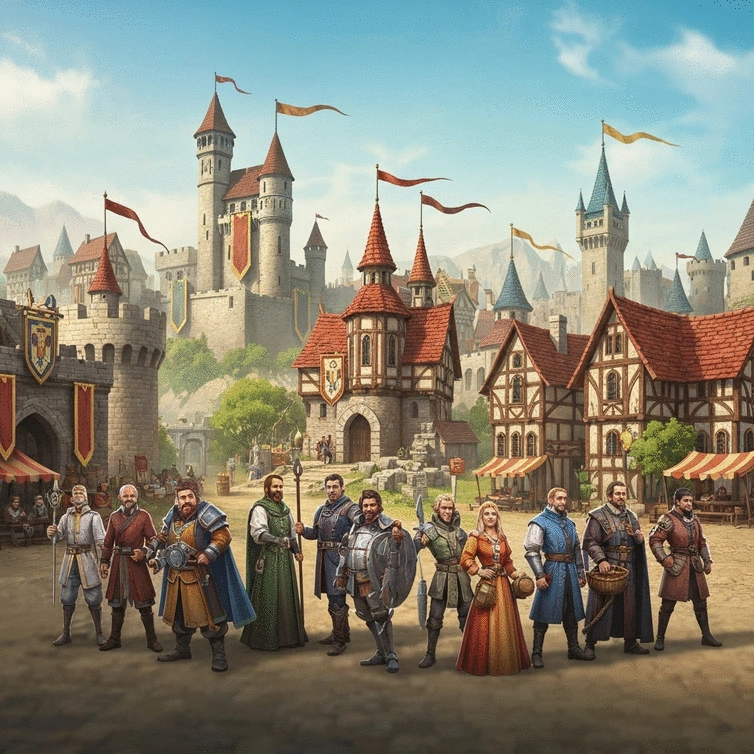
Delve into the fundamental systems that drive city development, resource acquisition, and strategic combat in Forge of Empires.
Forge of Empires is a browser-based strategy game that allows players to build and develop their own cities across various historical eras. Players start in the Stone Age and advance through different ages, each introducing unique technologies, buildings, and challenges. The game emphasizes city planning, resource management, and strategic combat, providing a comprehensive simulation of empire building.
Players are tasked with expanding their territories, managing resources, and engaging in diplomacy with other players. The non-linear gameplay allows for various strategies, encouraging creativity in city design and resource allocation. As players progress, they unlock new buildings, units, and historical events that enhance their gameplay experience.
Forge of Empires was developed and published by InnoGames, a renowned company in the gaming industry known for creating engaging and immersive online games. Established in 2007, InnoGames has a reputation for developing titles that cater to a broad audience, emphasizing community and player interaction. For those interested in other strategy games, exploring different options like Winter is Coming can offer similar strategic depth.
The company continues to support Forge of Empires with regular updates, events, and expansions, ensuring that the game evolves with its player base. This commitment to ongoing development contributes to the longevity and popularity of the game within the strategy genre.
As a browser-based strategy game, Forge of Empires falls within the larger category of real-time strategy (RTS) games, which often focus on resource management, city building, and tactical combat. The genre typically appeals to players who enjoy planning and executing long-term strategies while engaging with various gameplay mechanics. This game specifically caters to both casual and dedicated players, offering a blend of solo and multiplayer experiences that can vary in intensity and complexity.
Since its launch, Forge of Empires has contributed to the growing ecosystem of free-to-play online games, which often utilize microtransactions to enhance gameplay. The game's continuous updates and community-driven events reflect a broader trend in the gaming industry where ongoing player engagement is prioritized to maintain interest and participation over time.
The city building aspect of Forge of Empires is a fundamental part of the gameplay experience. Players are tasked with constructing and expanding their own cities, starting from a small settlement and progressing through various historical eras. Each building serves a unique purpose, contributing to the overall growth and development of the city.
Players can construct residential buildings, production facilities, and cultural structures, which enhance happiness and influence. Effective city planning is essential as players must balance space, resources, and the needs of their population to ensure a thriving environment.
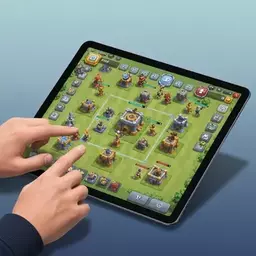
Strategic placement of buildings can maximize efficiency and resource production, encouraging players to think critically about their city layout. Similarly, Elvenar mobile game features also highlight strategic building placement for optimal resource production and city development.
Resource management in Forge of Empires involves gathering and utilizing various resources to progress in the game. Players must acquire goods, supplies, and coins to build structures, train units, and conduct research. Successful management of resources is pivotal to advancing through the game.
The game features several resource types, which include:
Players must establish efficient production chains to ensure a steady flow of these resources, balancing their needs as they progress through different eras.
Army training and combat are essential components of Forge of Empires. Players can recruit various units, each with unique strengths and weaknesses, to form a powerful army. Strategic planning is crucial for engaging in battles against rival players or NPC enemies.
The combat system emphasizes strategy, as players need to make decisions based on the composition of their army and the terrain of the battlefield.
Research and technology trees provide players with the means to advance through historical eras in Forge of Empires. Players invest resources to unlock new technologies, which can lead to improved buildings, enhanced units, and new gameplay features.
Key aspects of the research system include:
Players must carefully choose their research paths to align with their strategies and objectives in the game.
Player versus player (PvP) battles are a significant feature in Forge of Empires, allowing players to compete against each other for resources, ranking, and glory. PvP encounters can take place in various formats, including league matches and tournaments. For those interested in other games with a strong PvP focus, exploring battle arena strategy games can provide a similar competitive experience.
Engaging in PvP battles encourages players to refine their strategies and improve their armies, enhancing the overall gameplay experience.
This section addresses common questions regarding the mechanics and features of Forge of Empires.

Key FactsGame Title: Ev.ioGenre: Multiplayer first-person shooterInitial Release: 2021Developer: Ind
Naruto Online Mobile Gameplay Overview

Key FactsNaruto Online Mobile Ninja Battles is a mobile RPG based on the Naruto anime series.Develop
Conflict of Nations Online Game Overview

Key Facts Game Title: Conflict of Nations Game Type: Real-time strategy (R




Stronghold Kingdoms Mobile Overview
Firestone Idle RPG Mobile Overview
Legends of Honor Gameplay Mechanics
Explore Battle Arena Strategy Game
Winter Is Coming: Free Strategy Game
Brutal.io Browser Multiplayer Arena Game