
Game Type: Real-Time Strategy (RTS)
Emphasizes strategic planning, resource management, tactical warfare, and territorial expansion. Designed for both solo and team-based experiences.
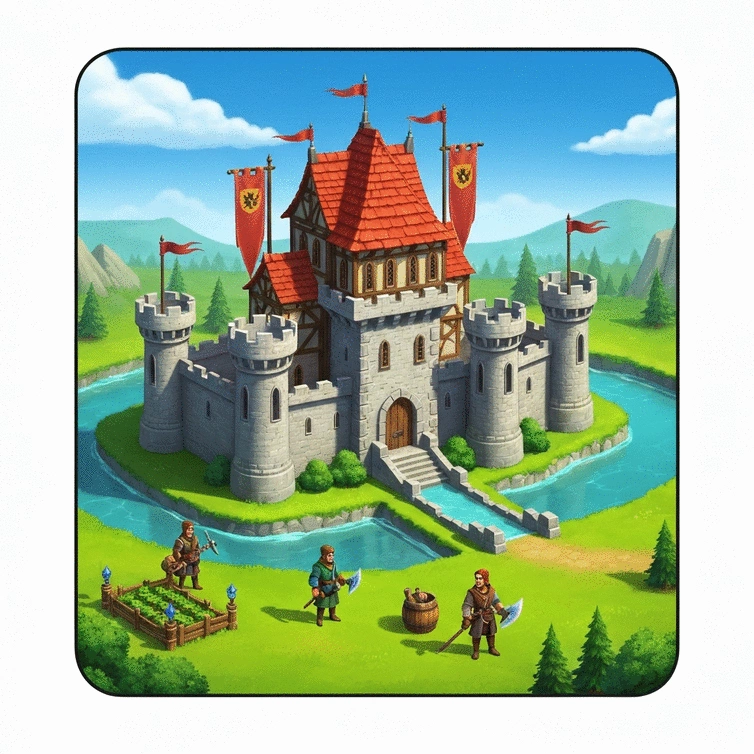
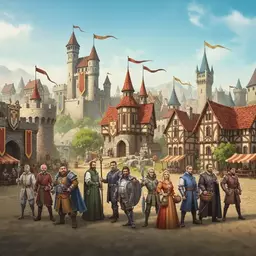
A visual breakdown of fundamental elements in the game's design and mechanics.
The title of the game is an essential aspect, as it represents the core identity and theme of the gaming experience. The game's name often reflects its storyline, characters, or unique setting, making it memorable for players.
Additionally, the title can serve as a marketing tool, attracting potential players by hinting at the game's genre or primary mechanics. A well-chosen title can create intrigue and set expectations for the gameplay ahead.
The developer of the game is responsible for its creation, design, and ongoing support. They play a crucial role in shaping the game’s mechanics, visuals, and overall experience. Knowledge of the developer can offer insight into their experience and track record in creating engaging games. For example, some developers are known for creating intricate strategy games like Winter is Coming.
This information can help players assess the reliability and quality of the game based on the developer's past performance.
The franchise background provides context for the game within a broader series of titles. Understanding the history of the franchise can enhance player engagement and immersion, as familiar themes and characters may reappear.
Franchise background can contribute to player expectations and excitement, especially for long-time fans who may have followed the series since its inception.
Real-time strategy (RTS) games have been a staple in the gaming industry since the early 1990s, with titles like "Command & Conquer" and "StarCraft" setting foundational gameplay mechanics that emphasize resource management, base building, and tactical combat. Players typically engage in both solo and multiplayer modes, where strategic planning and quick decision-making are crucial for success.
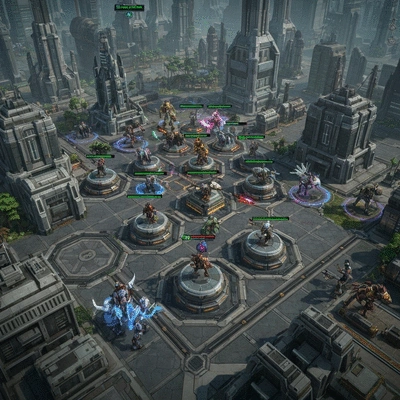
The broader ecosystem for RTS games includes various platforms such as PC and consoles, with many titles supporting modding communities that extend gameplay and enhance player experience. The competitive nature of RTS games has also led to the rise of esports, where tournaments and leagues showcase top players and strategies, further popularizing the genre.
The game is classified as a real-time strategy (RTS) title, where players gather resources, build structures, and command units in dynamic environments. This genre emphasizes strategic planning and resource management, allowing players to engage in tactical warfare and territorial expansion. The gameplay is designed to facilitate both solo and team-based experiences, catering to various player preferences.
In this game, players can choose to adopt different strategies based on their playing style, whether they prefer aggressive tactics or more defensive approaches. The flexibility offered by the game type enhances replayability, as players can explore diverse strategies and outcomes. This strategic depth is a common element in various strategy games, including those with different settings like Clash of Clans.
Core mechanics in the game revolve around several key elements that define player interactions and engagements. These include:
These mechanics are fundamental in shaping the overall experience, requiring players to balance their focus between economic development and military engagements.
Building and resource management are pivotal components of gameplay. Players must strategically manage their resources to ensure continuous growth and development. Effective management involves:
Success in resource management directly influences a player's ability to compete effectively, as it provides the necessary means to expand their territory and strengthen their factions.
PvP combat is a central feature that promotes competitive gameplay, allowing players to engage in direct confrontations with opponents. Players can form factions to bolster their chances in faction warfare, where collaboration and strategy play critical roles. Key aspects include:
This competitive environment encourages players to refine their strategies and adapt to varying combat scenarios.
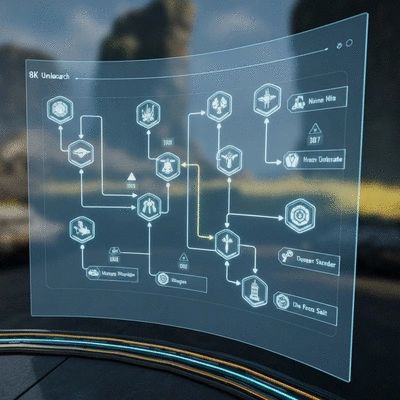
Research and technology trees enable players to unlock new abilities, units, and upgrades. This progression system is vital for enhancing gameplay, and it offers several options:
Engaging with the research and technology trees creates a sense of progression, motivating players to continually improve their strategies and adapt to new challenges. This type of strategic depth is also present in games like Legends of Honor, which features similar progression systems.
The primary game type discussed is Real-Time Strategy (RTS).
The core gameplay mechanics include resource gathering, base building, and unit management.
PvP combat is a central feature that promotes competitive gameplay, allowing players to engage in direct confrontations and faction warfare.
Research and technology trees enable players to unlock new abilities, units, and upgrades, offering branching paths and strategic benefits for progression.
Effective building and resource management involve prioritizing resource collection, constructing strategic structures, and upgrading facilities to ensure continuous growth and development.
Key FactsGame Title: Ev.ioGenre: Multiplayer first-person shooterInitial Release: 2021Developer: Ind
Naruto Online Mobile Gameplay Overview
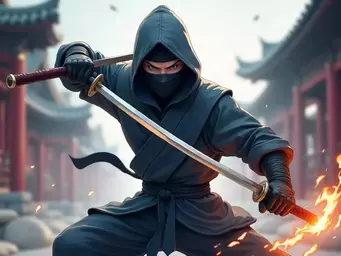
Key FactsNaruto Online Mobile Ninja Battles is a mobile RPG based on the Naruto anime series.Develop
Conflict of Nations Online Game Overview
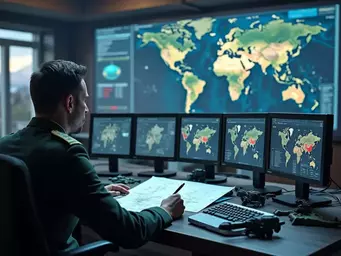
Key Facts Game Title: Conflict of Nations Game Type: Real-time strategy (R



Game of Thrones Mobile Game Tips
Wingz.io Browser Game Overview
Moomoo.io Browser Survival Game
Firestone Idle RPG Mobile Overview
Elvenar Mobile Game Features
Shell Shockers Browser FPS Overview