
Control Scheme
Intuitive design for seamless interaction. Often uses WASD/joystick for movement, action buttons, and context-sensitive inputs.
- Movement: WASD/Joystick
- Actions: Mapped buttons
- Inventory: Specific keys

The core gameplay of The Legend of Zelda: Breath of the Wild revolves around three fundamental mechanics: Control Scheme, Combat, and Game Objectives. These elements combine to create a rich and interactive open-world experience, as detailed in the overview below.
Intuitive design for seamless interaction. Often uses WASD/joystick for movement, action buttons, and context-sensitive inputs.
Dynamic engagement with opponents using varied weapons, defensive moves, and special abilities.
Goals that guide player progression, varying from main quests to optional tasks and achievements.
The game, titled The Legend of Zelda: Breath of the Wild, falls under the action-adventure genre. It is developed by Nintendo and is part of the acclaimed Zelda franchise. The game is notable for its open-world design, which allows players to explore a vast environment filled with various quests and activities.
As an action-adventure game, it integrates elements of exploration, puzzle-solving, and combat, providing a diverse gameplay experience. The unique blend of these genres contributes to its widespread appeal among players of all ages.
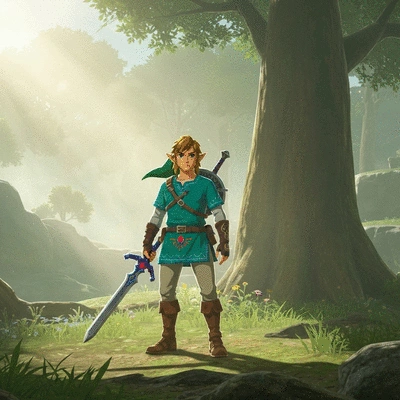
The Legend of Zelda: Breath of the Wild offers players an expansive world set in the kingdom of Hyrule. Players assume the role of Link, who awakens after a long slumber to find Hyrule in ruins. The main objective is to defeat Calamity Ganon and restore peace to the land. Throughout the game, players encounter various characters, lore, and challenges that enrich the narrative. For those interested in other open-world experiences, exploring titles like Winter is Coming can offer a similar sense of expansive exploration.
The game emphasizes player freedom, allowing for numerous approaches to challenges. This non-linear structure encourages players to engage with the environment creatively, promoting a sense of discovery and adventure throughout their journey.
The action-adventure genre often combines elements of exploration, combat, and puzzle-solving, appealing to a wide audience. In addition to The Legend of Zelda: Breath of the Wild, there are several other notable titles within this genre that have influenced player expectations and design choices, such as the Uncharted series and Assassin's Creed. These games typically encourage players to engage with the game world through both linear and non-linear storytelling.
Open-world games, like Breath of the Wild, have gained popularity for their immersive environments and player autonomy, allowing users to approach challenges in multiple ways. This design philosophy has contributed to the broader ecosystem of gaming, where player choice and exploration are increasingly emphasized across various platforms and titles.
The control scheme is fundamental to the player's interaction with the game world. It is designed to be intuitive, allowing for a seamless experience during gameplay. Players typically use a combination of keyboard and mouse controls or gamepads, depending on their platform preference.
Common controls include movement keys, action buttons, and context-sensitive inputs that adapt to the player's current situation. This configuration enhances user engagement and facilitates quicker responses during gameplay. For more on diverse control schemes in action-oriented games, consider reading about Valorant's game mechanics.
Understanding the control scheme is crucial for optimizing gameplay strategies and enhancing overall performance in various game scenarios.

Combat mechanics play a vital role in gameplay, dictating how players engage with opponents and manage conflicts. These mechanics often involve a variety of weapons, defensive moves, and special abilities that players can utilize during encounters.
Players are encouraged to develop their combat styles by experimenting with different weapon types and combinations. This diversity supports a dynamic gameplay experience as players adapt their strategies based on the challenges they face.
Mastering combat mechanics is essential for success, enabling players to navigate challenges effectively and achieve their objectives.
Game objectives guide players through their experience, offering goals that drive gameplay. These objectives can vary widely, from completing specific tasks to achieving high scores or defeating opponents.
Understanding the objectives is crucial for players, as they inform strategies and influence decision-making throughout the game. Players can engage in both primary and secondary objectives, creating a richer gaming experience. For an understanding of objectives in strategy games, insights into Clash of Clans strategies can be beneficial.
By focusing on game objectives, players can immerse themselves more fully in the gameplay, enhancing their satisfaction and engagement.

Key FactsGame Title: Ev.ioGenre: Multiplayer first-person shooterInitial Release: 2021Developer: Ind
Naruto Online Mobile Gameplay Overview

Key FactsNaruto Online Mobile Ninja Battles is a mobile RPG based on the Naruto anime series.Develop
Conflict of Nations Online Game Overview

Key Facts Game Title: Conflict of Nations Game Type: Real-time strategy (R






Survivor Legacy Mobile Gameplay
Exploring the World of Agar.io
Shell Shockers Browser FPS Overview
Armor Valor Mobile Gameplay Overview
Understanding Krunker.io: A Free FPS
Understanding League of Legends Basics